
Choosing the wrong web development partner is expensive. Missed deadlines, budgets that double, websites you don’t fully own and sites that look good but don’t generate business are common stories. Choosing the right partner, on the other hand, can give you a website that becomes your best salesperson. This guide to “how to choose a web development agency” covers the essentials in plain English.
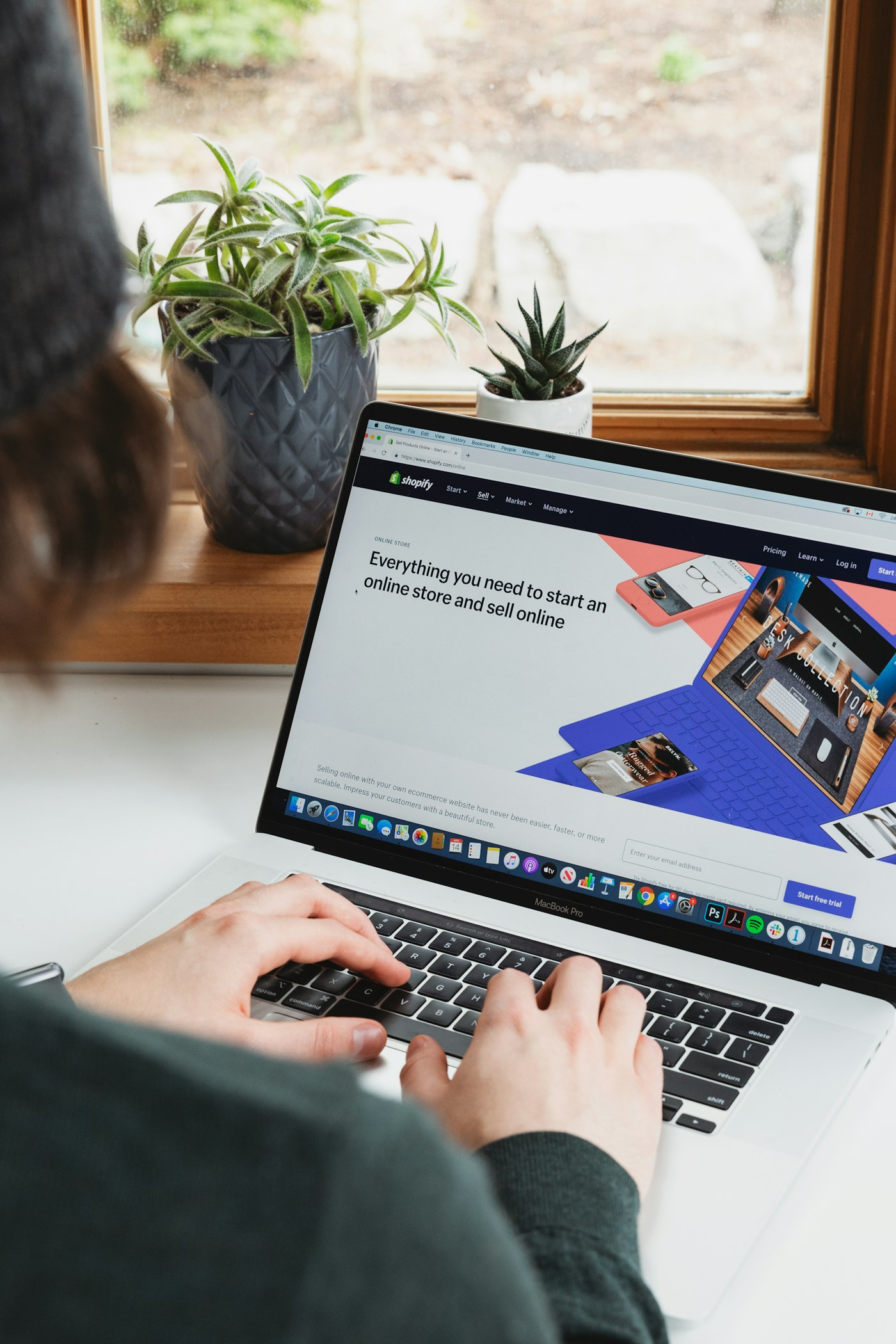
Here’s how to choose a web development agency, with 12 questions that reveal how a team really works.
Before you contact agencies
Prepare a short brief. It doesn’t need to be technical:
- What your business does and who your customers are.
- What the website must achieve (leads, sales, bookings, information).
- Must-have features and integrations (CRM, payments, booking, email).
- Websites you like and why.
- Your budget range and ideal timeline.
A clear brief means you get comparable proposals. If you’re unsure about budget, read how much a custom website costs.
When it comes to “how to choose a web development agency”, fixing the basics first and then improving step by step is usually the safest approach.
12 questions to ask a web development agency
1. Can you show similar projects?
Look for work in your industry or with similar functionality. Visit the live sites, check how fast they load on your phone and whether they still work properly.
2. What is your process from start to launch?
A good agency can clearly describe discovery, planning, design, development, testing, launch and support, with your responsibilities at each stage.
3. Who will actually work on my project?
Know whether work is done in-house or outsourced, and who your day-to-day contact will be.
4. What platform do you recommend and why?
The answer should be based on your needs (who edits the site, what integrations you need, budget) rather than the only tool the agency knows.
5. What exactly is included in the price?
Design rounds, number of templates, content entry, SEO setup, training, testing and support period should all be clear in writing.
6. How do you handle changes to scope?
Changes happen. Ask how they are estimated and approved so there are no surprise invoices.
7. Will I own everything?
You should own your domain, hosting account (or have full access), website files, content and design. Avoid arrangements where leaving the agency means losing your site.
8. How do you approach SEO?
At minimum: clean structure, fast performance, titles and meta descriptions, redirects from any old site, sitemap and analytics. See our website redesign SEO checklist for what a proper migration involves.
9. How do you ensure speed and mobile performance?
Ask how they test Core Web Vitals and on which devices. Read our Core Web Vitals guide to understand what good looks like.
10. How is security handled?
Updates, backups, SSL, form spam protection, secure logins and a plan if something goes wrong.
11. What happens after launch?
Ask about warranty periods, maintenance plans, response times and costs for future changes.
12. How will we communicate?
Regular updates, a shared project board, clear points of contact and time zone overlap make projects smoother.
Red flags to watch for
- A fixed price quoted before understanding your needs.
- No written contract or scope.
- Pressure to sign quickly with “limited time” discounts.
- Unwillingness to give you ownership or admin access.
- Portfolio links that are broken or very slow.
- No questions about your business goals.
If you are researching “how to choose a web development agency”, use the steps above as a starting point and adapt them to your business.
How to compare proposals fairly
| Criteria | What to look for |
|---|---|
| Understanding of your goals | Proposal reflects your business, not a generic template |
| Scope clarity | Features, pages and deliverables listed in detail |
| Timeline | Realistic milestones with dependencies |
| Total cost | Build plus ongoing costs for hosting, licences and maintenance |
| Support | Clear post-launch support terms |
| Communication | Responsiveness and clarity during the sales process |
The cheapest proposal is often the most expensive in the end if it leads to rework, poor performance or a site that doesn’t convert.
Freelancer, small agency or large agency?
Freelancers can be cost-effective for smaller projects but may have limited capacity and skills coverage. Small specialist agencies often offer senior attention, flexibility and a broad skill set across design, development and marketing. Large agencies suit complex enterprise projects with bigger budgets and longer timelines. Match the partner to the size and risk of your project.
Revisit your approach to “how to choose a web development agency” every few months, because platforms, tools and customer expectations keep changing.
Check references and reviews
Portfolios show finished work, but references show what the journey was like. Ask for one or two past clients you can speak to, and ask them direct questions: Did the project finish on time and on budget? How were problems handled? Would you hire them again? Also read independent reviews on Google, Clutch or LinkedIn recommendations. Consistent comments about communication and reliability tell you more than any sales presentation.
Start with a small paid discovery
For larger projects, consider starting with a short paid discovery or strategy phase. The agency maps requirements, recommends a platform and produces a detailed scope and estimate. You get a valuable plan either way, and you learn how the team thinks and communicates before committing to the full build. If the working relationship feels right, move forward with confidence; if not, you can take the plan to another provider.
Think long term
A website is never truly finished. You will add pages, campaigns, integrations and features as the business grows, and search engines reward sites that stay fast, secure and up to date. Choose a partner you can imagine working with for years, who understands your goals and can grow with you across design, development, SEO and automation. That continuity is often worth more than any single project price.
For official details and the latest updates, see the Google Search Central documentation.
Frequently asked questions about how to choose a web development agency
How many agencies should I contact?
Three to five is usually enough to compare approaches without getting overwhelmed.
Should I choose a local agency?
Not necessarily. Many businesses work successfully with remote agencies. Communication quality and time zone overlap matter more than location.
Is a specialist better than a generalist?
If your project depends on a specific platform, such as Shopify, CheckoutChamp or GoHighLevel, specialist experience saves time and avoids costly mistakes.
Take your time with the decision. A week spent comparing partners carefully can save months of frustration later.
Related guides
- Headless Commerce Explained: Is It Right for Your Brand?
- Custom Website vs Template: How to Decide
- Shopify Custom App Development vs Public Apps: Which Do You Need?
Talk to TrickyBytes
TrickyBytes is a web development and automation agency specialising in Shopify, CheckoutChamp, WordPress, custom development and CRM automation. Explore our custom web development services or get a fixed-scope quote.